- Location: Itsukushima Island – Day 2
- Walk: Miyajima
- Weather: 55-65°/ sunny, wind 10-15 mph
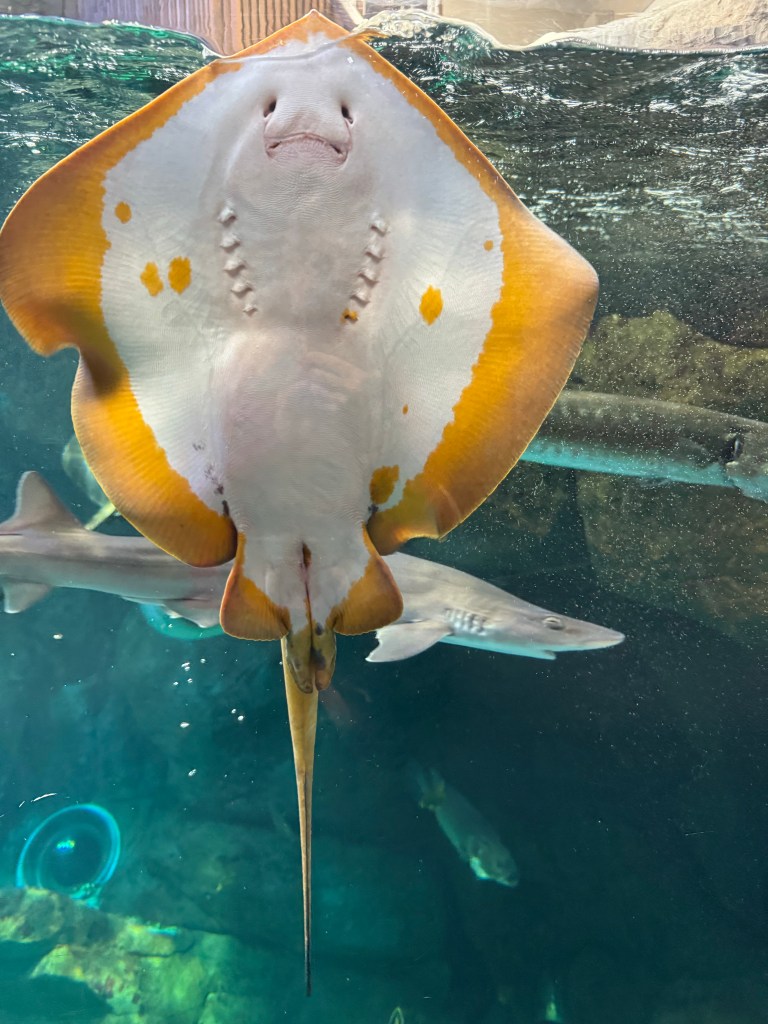
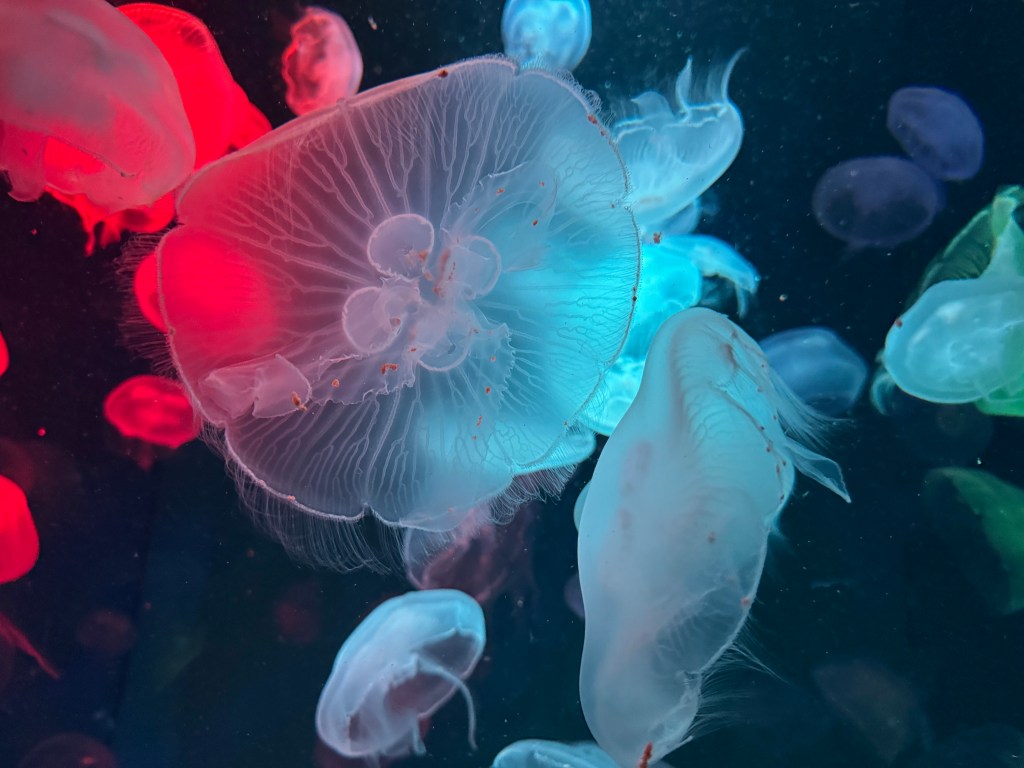
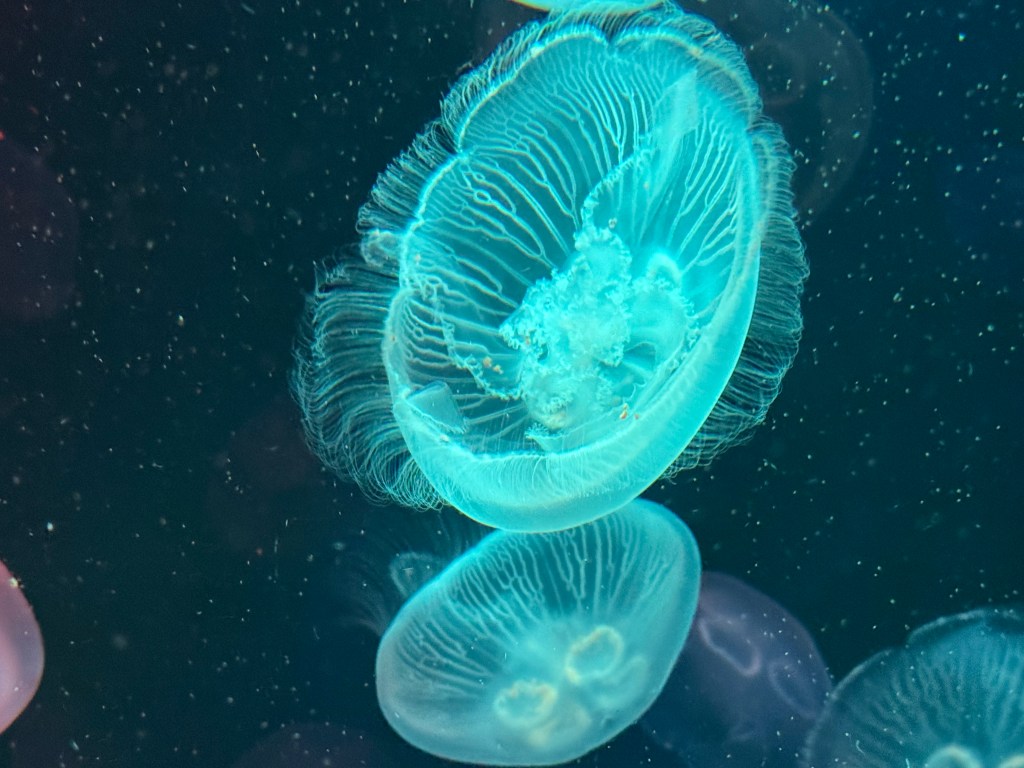
Fish and more…

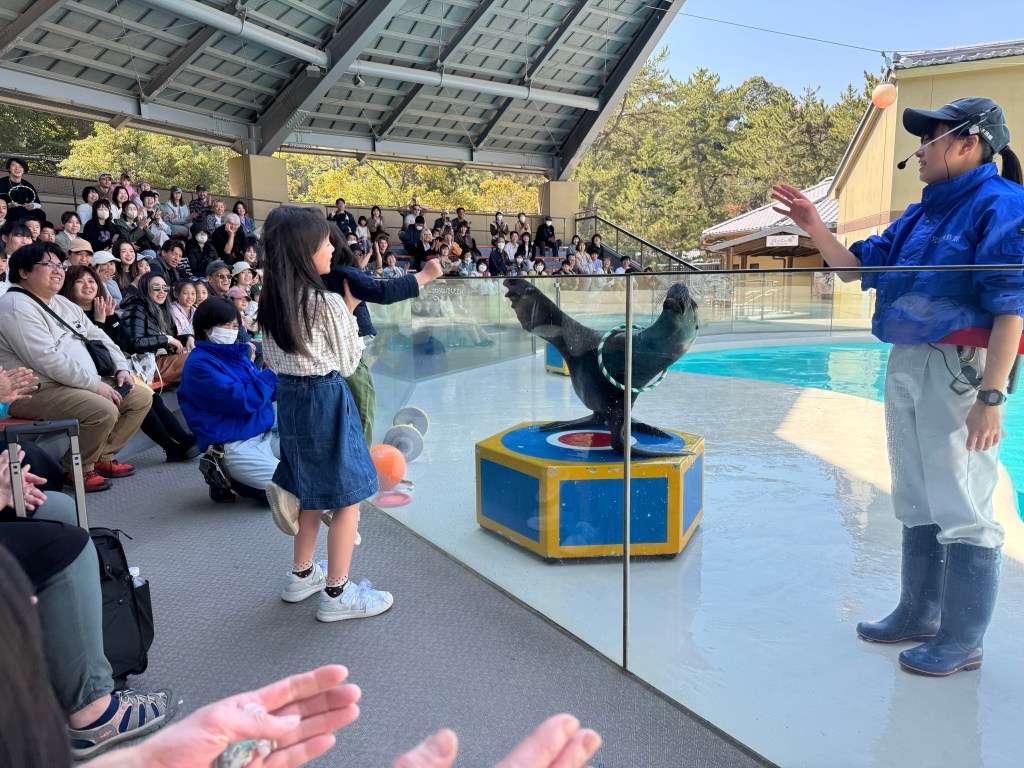
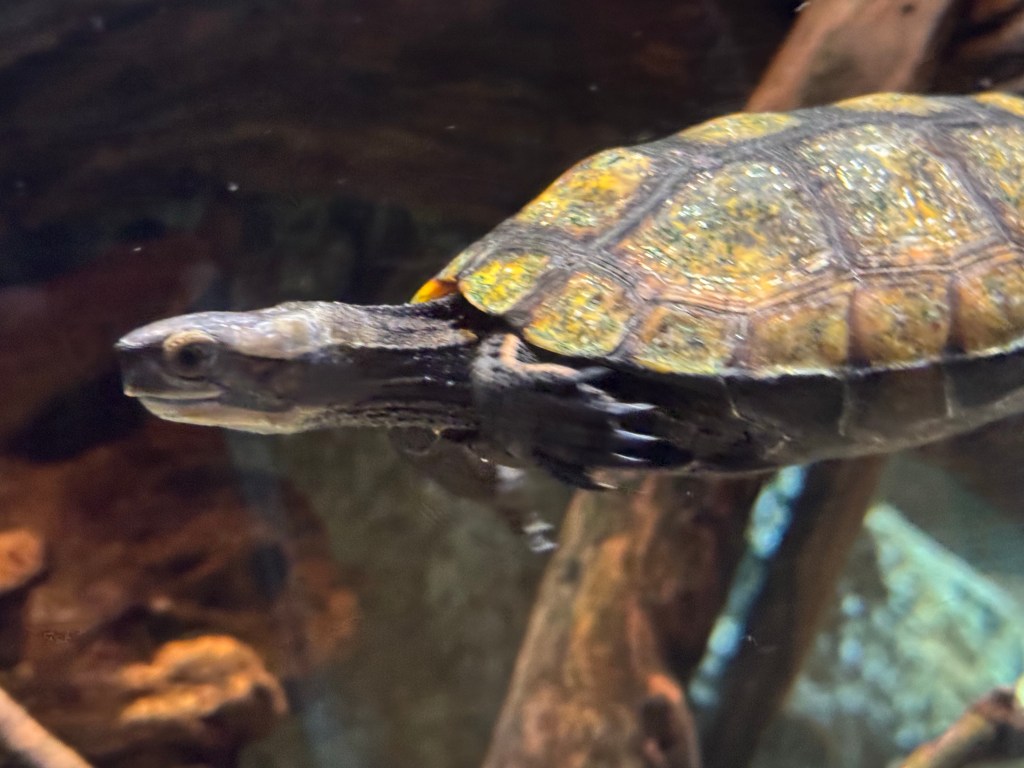

Fish and more…
Fish…

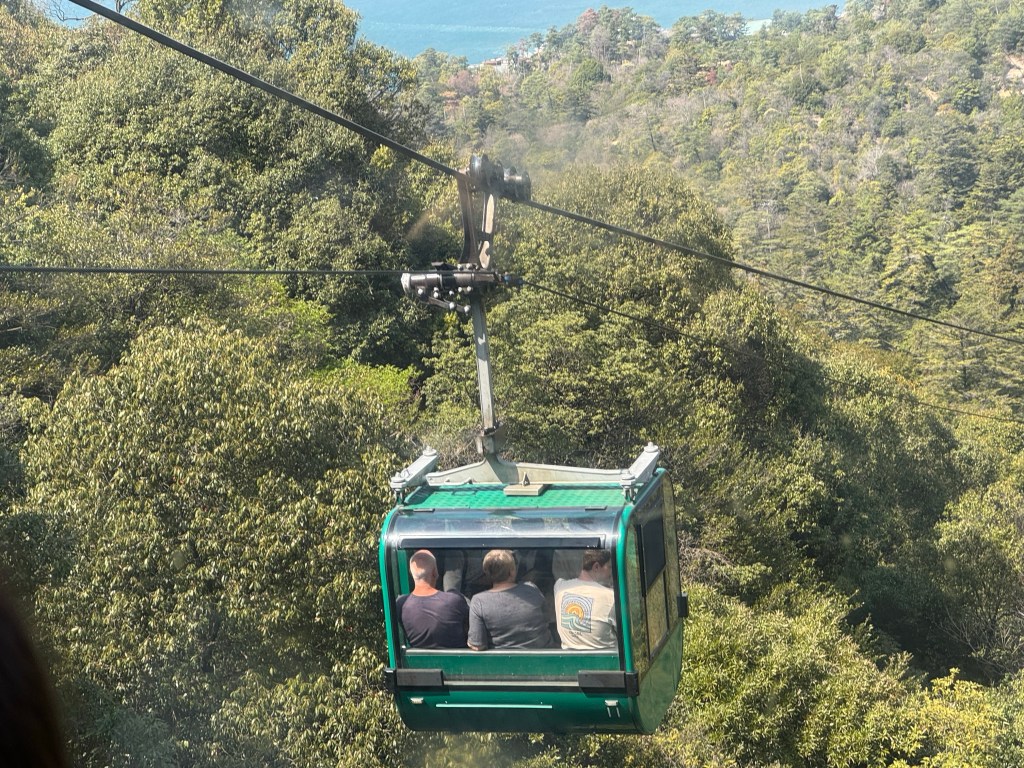
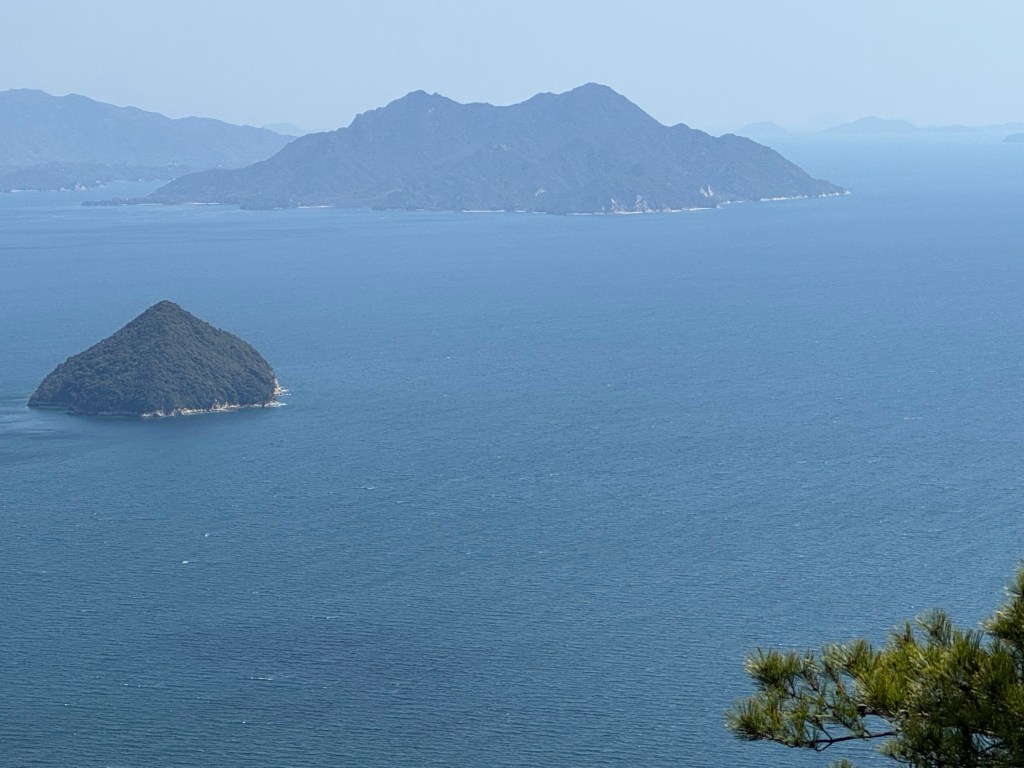
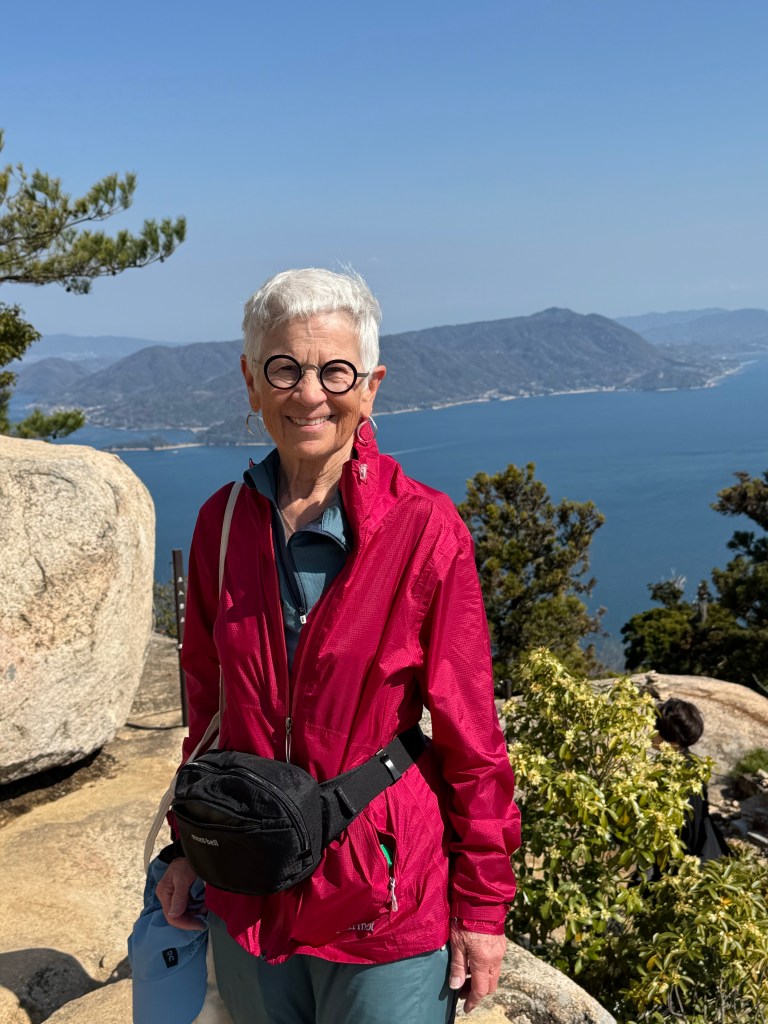
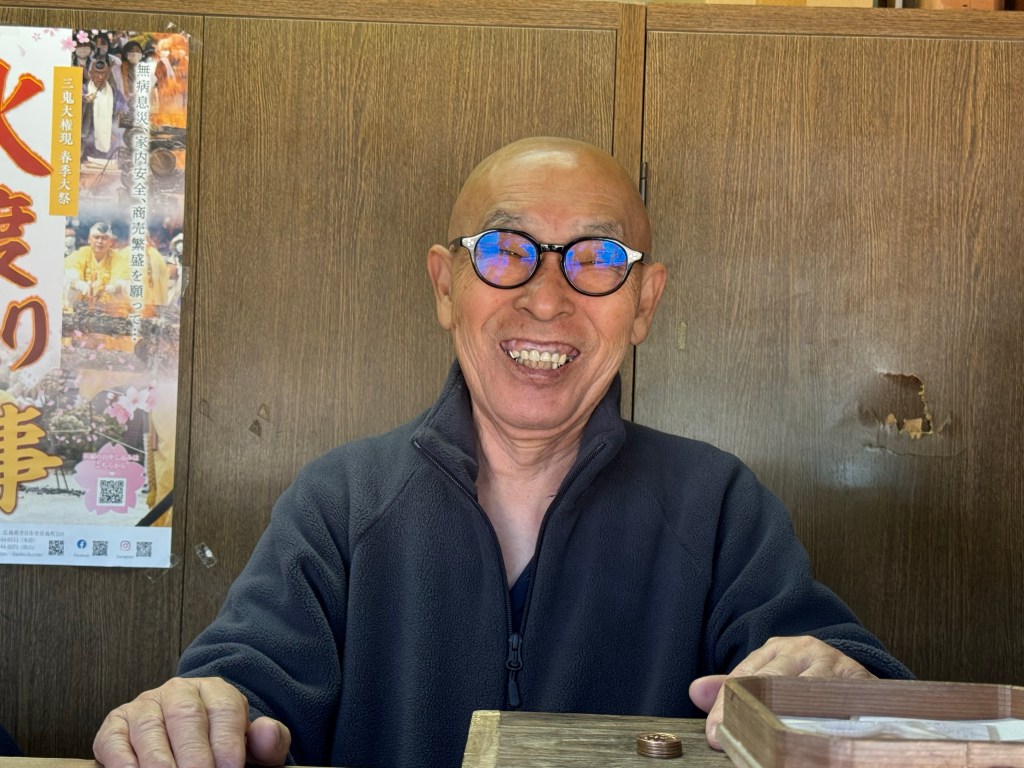
I took the ropeway/gondola 🚠 towards Mt Misen then hiked to its summit at 1,755’. As the ropeway took 30 minutes, I was skeptical how long it would take to hike down. With Google Translate I asked a souvenir salesman. He rolled his head back and with the most affectionate laughter said, “One hour.” So, can I trust Google Translator at getting the right meaning across? Spot on as I hiked to the sea in an hour.
OVERVIEW
WALK: 10m from APA Hotel Hiroshima Ekimae Shinkansenguchi to Hiroshima Station
TRAIN: 30m from Hiroshima Station on JR San-yo Line to Miyajimaguichi Station
WALK: 10m from Miyajimaguichi Station to Miyajimaguichi Port for Miyajima Ferry
FERRY: 20m from Miyajimaguichi Port on Miyajima Ferry to Miyajima Port on Itsukushima Island
WALK: 5m from Miyajima Port to Hotel Miyajima Villa
A mix up in today’s reservation leaves me on an island with a mainland reservation. Flush that money down the toilet. I immediately got an island resort reservation for a scrumptious room with a view of Seto Island Sea, an Onsen overlooking the sea, and a message chair in my room. I’m worth every yen.


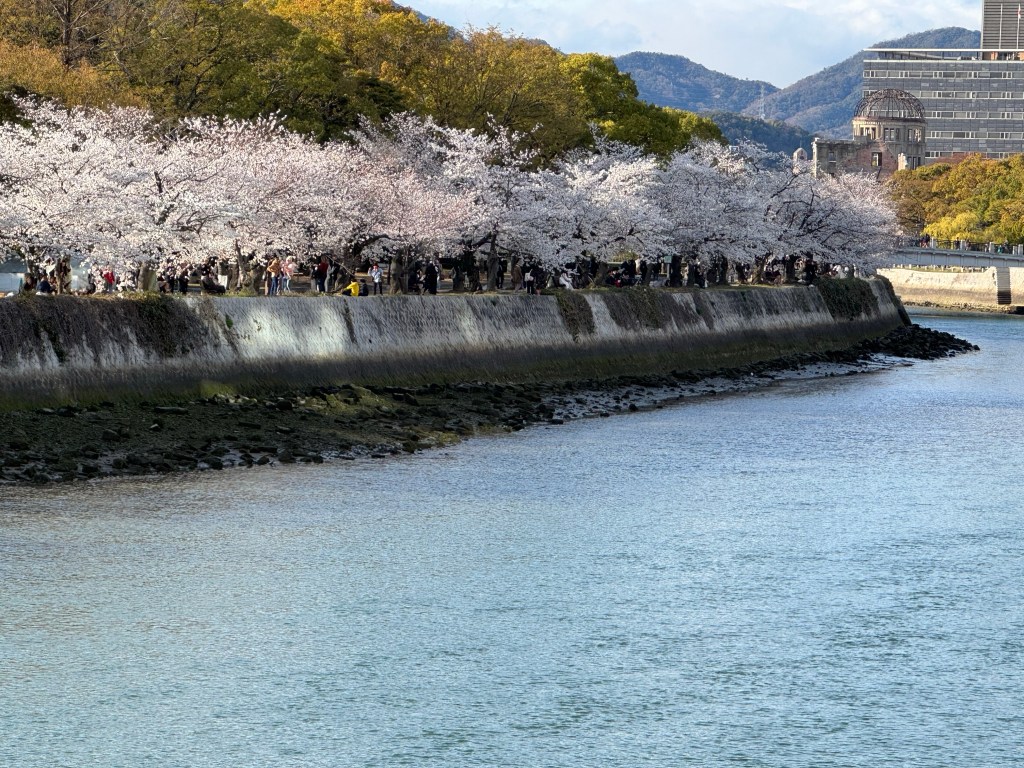
About Hiroshima are haunting reminders of the August 6, 1945 atomic bomb’s holocaust but never with hateful blame cast to America. It is thought as an act of war. Consistently the people of Hiroshima’s message is protect and preserve peace. I have come to Hiroshima to show my respect for the destruction of its people, place, and culture. The people of Hiroshima are resilient in recreating itself and promoting peace.


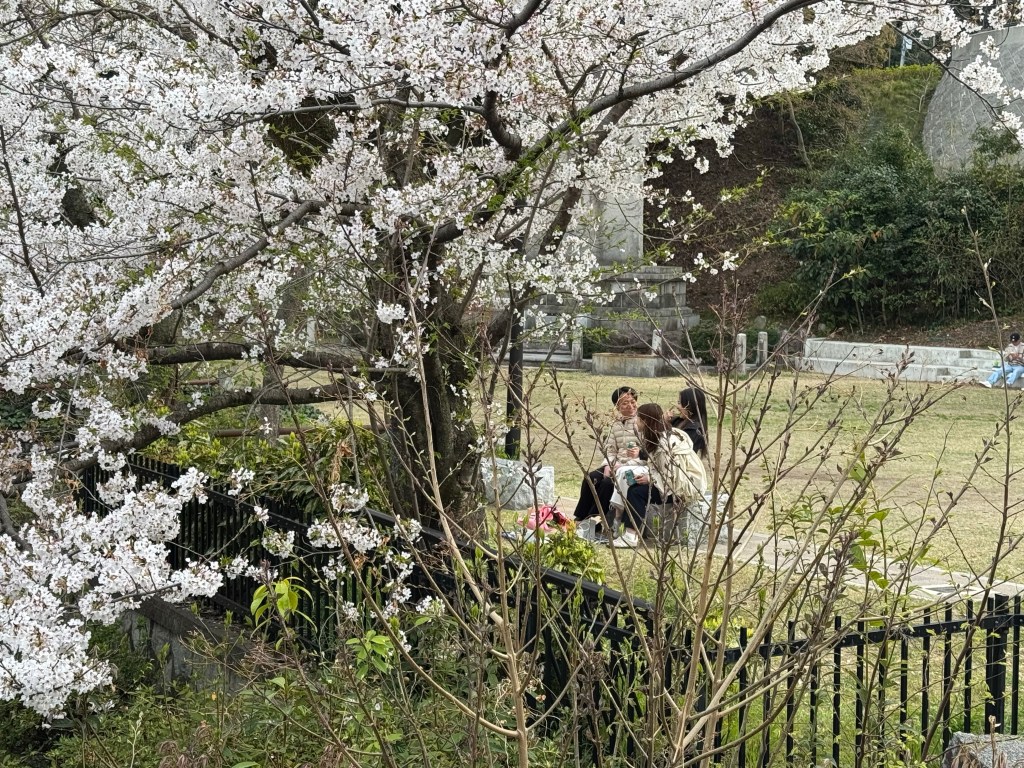
The Buddhist Stupa “Hiroshima Peace Pagoda” sits 465’ up Mt Futaba. It was built in 1966 by Buddhist monks. Inside are thousands of stones each representing a prayer for peace from the Hiroshima residents. It also contains ashes from the historic Buddha donated by the Prime Minister of India and a group of Mongolian Monks.


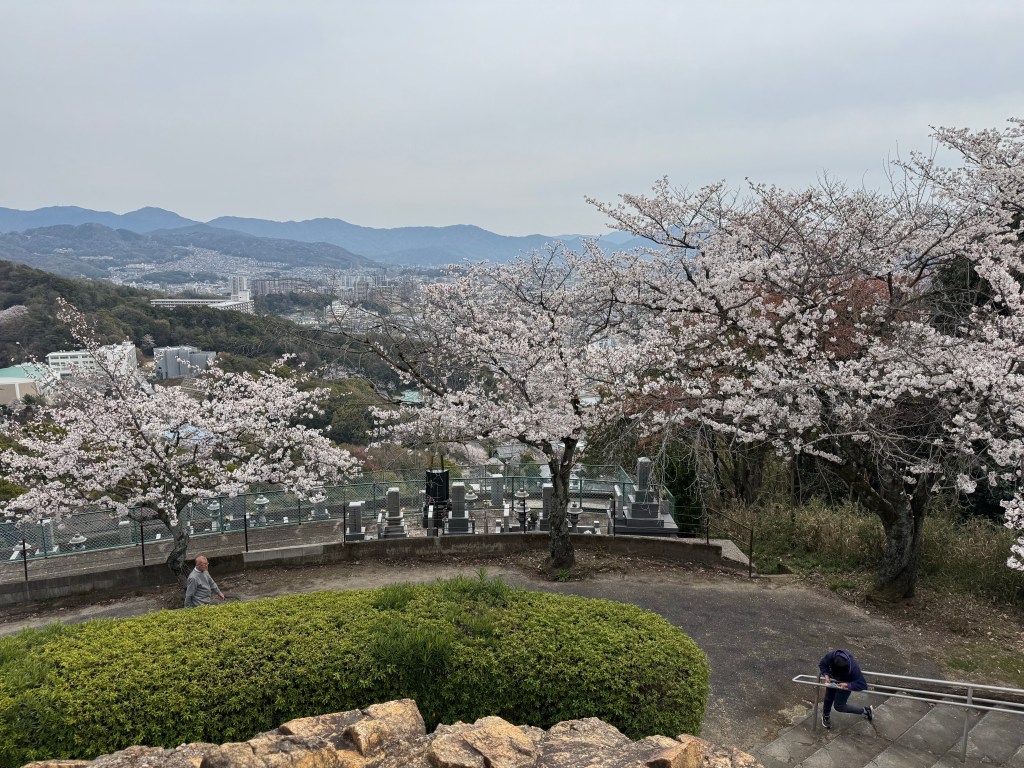
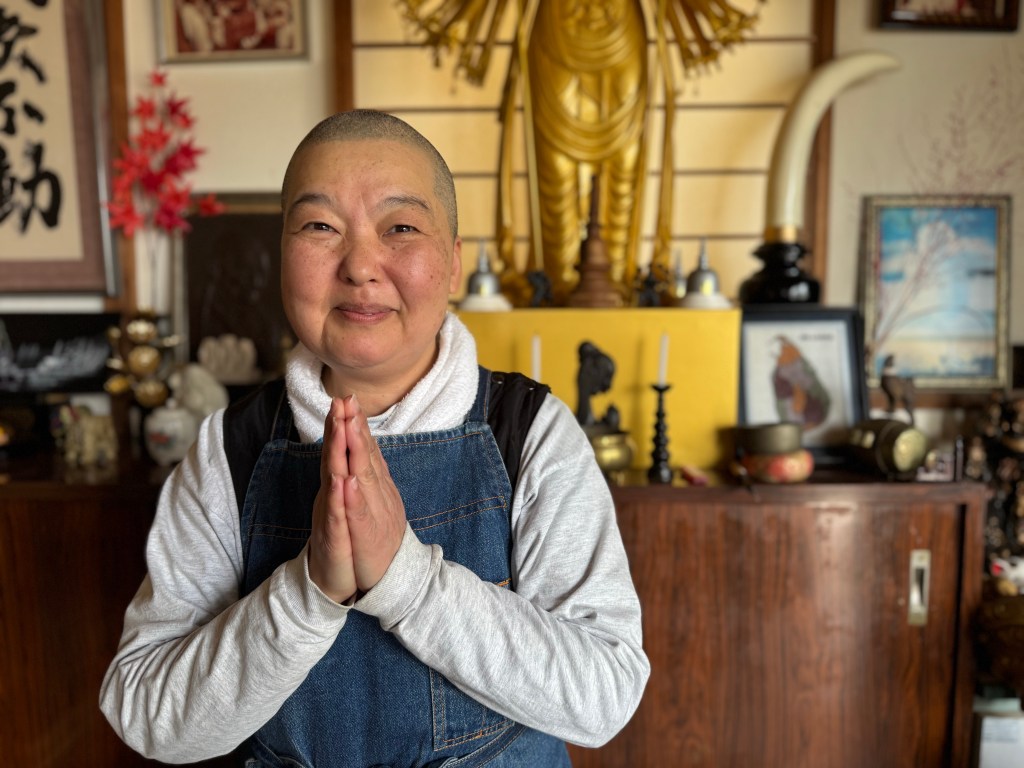
A dozen temples are situated on Mt Futaba overlooking Hiroshima. At one, a woman invited me inside. As a rule NO ONE goes inside a temple. She lit candles and incense. She invited me to sprinkle aromatic pellets in the incense container (Fortunately Namiyo and Saburo taught me this procedure). Upon leaving she gave me a small model of the Peace Pagoda. I got choked up from this emotional moment.



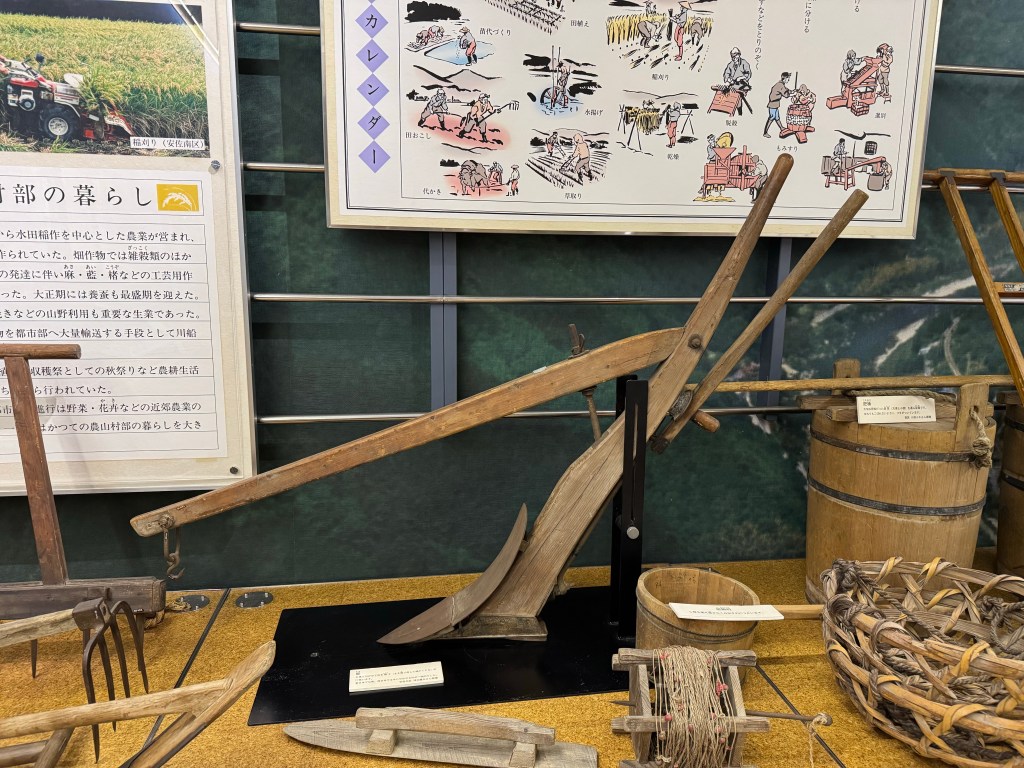
I entered Hiroshima City Museum of History and Traditional Crafts to the shock of all. Apparently no foreigner ever comes. A volunteer offered to escort me. He told charming stories of his family’s roll in Hiroshima’s beef butchering industry. Oysters were a second area industry. Hiroshima’s delta of fresh and salt water is ideal for oyster farming.



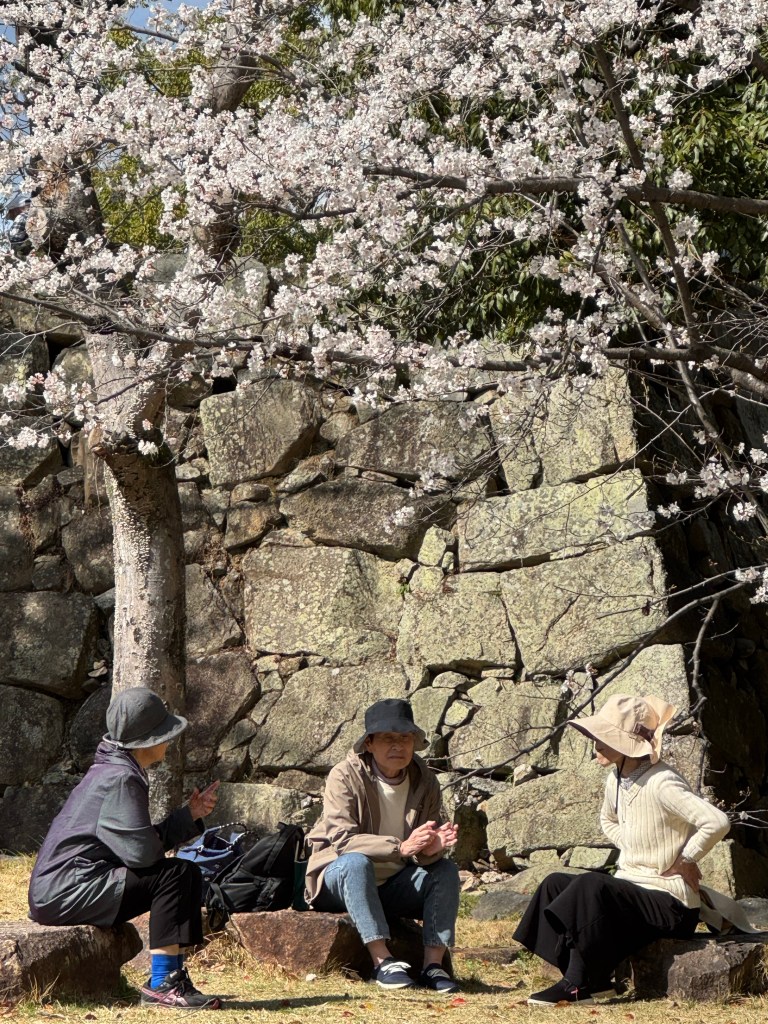
Stroll through the garden with many water features shaped like cranes and turtles for long life. Cherry blossoms are captivating.

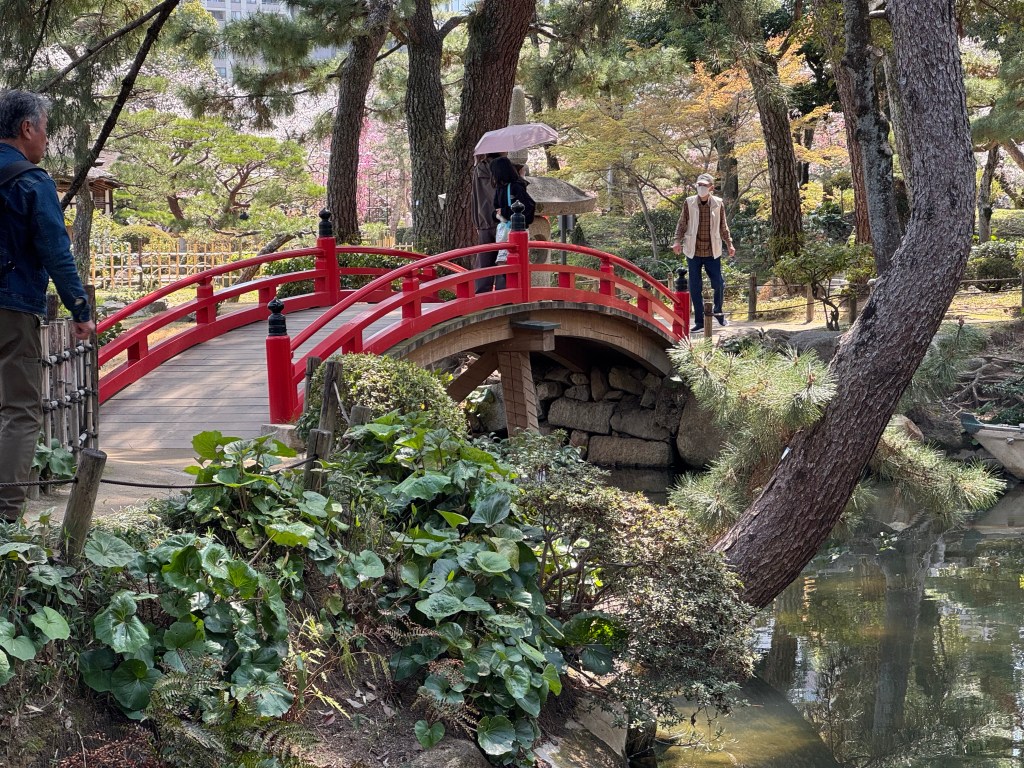
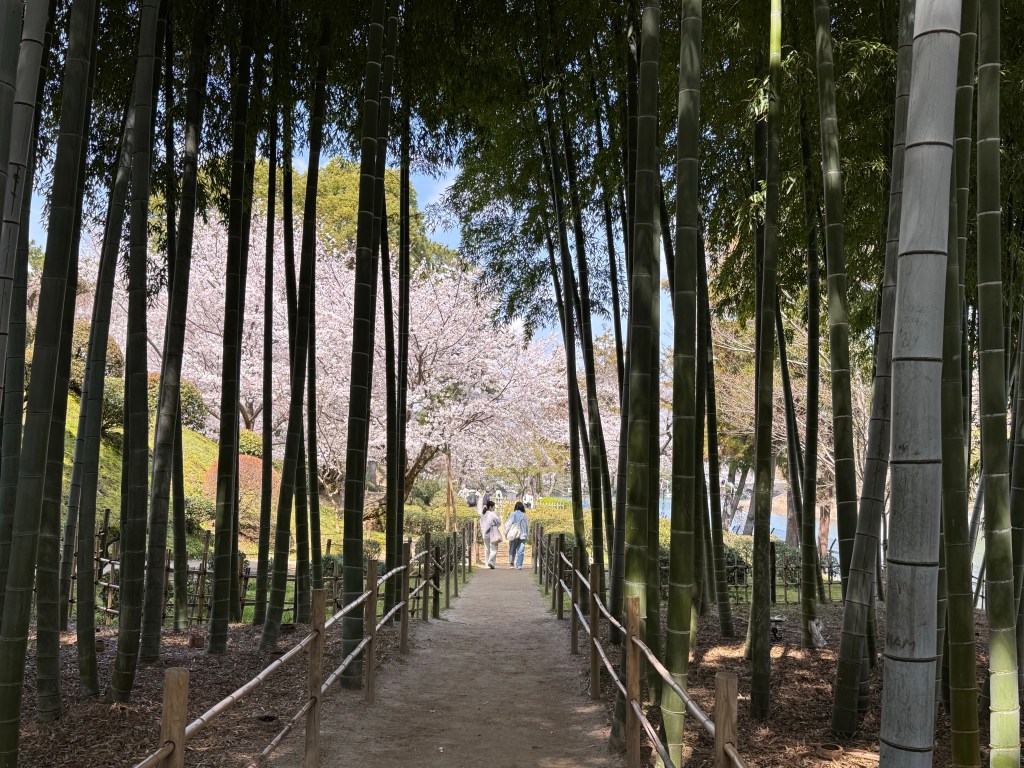

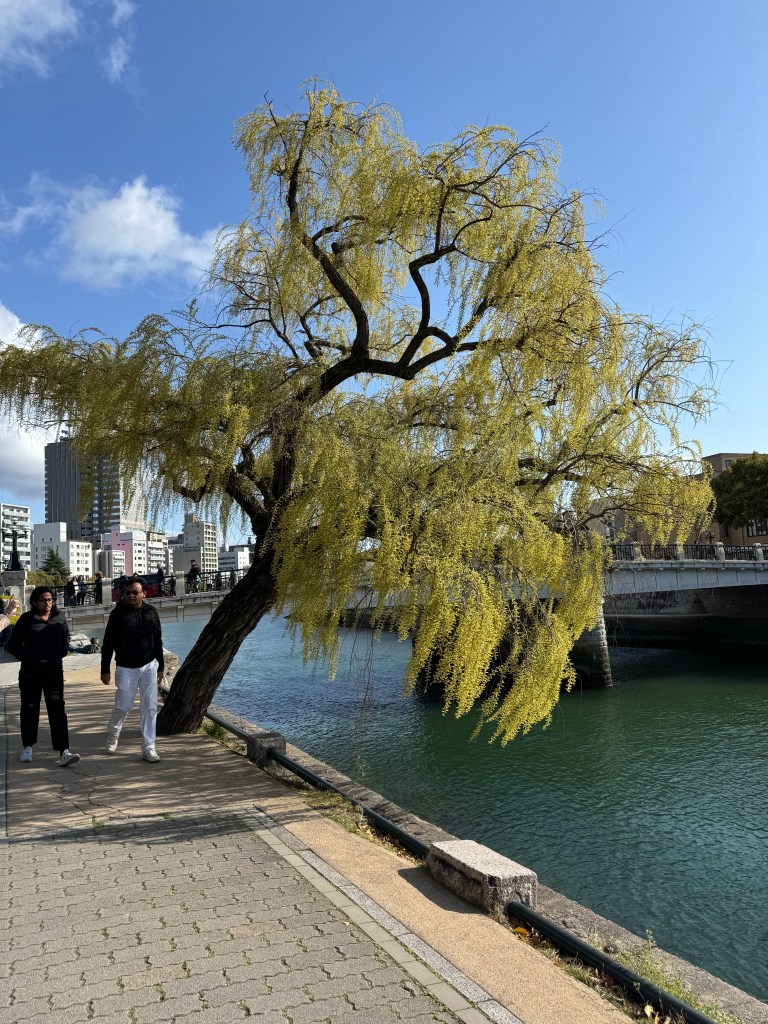
Hiroshima Peace Memorial Park vicinity.